Tennis elbow from padel: why padel players get it
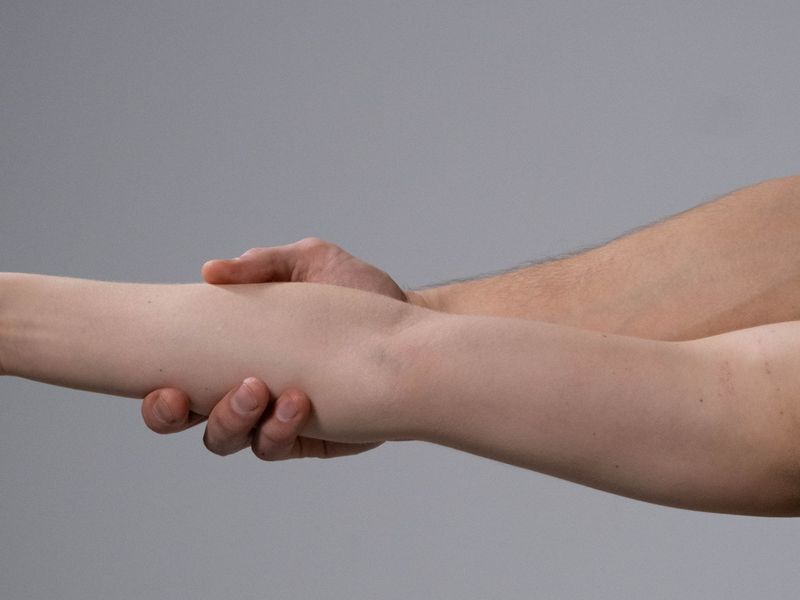
Tennis elbow, tennis arm, padel elbow, lateral epicondylitis: four names, one problem. It's an overload of the tendons on the outside of the elbow, and in padel it's the single most reported injury. If your elbow aches when you grip the racket, shake hands or lift a cup, here's why padel players are so prone to it, and the surprising fact that the racket is often only half the story.
This guide explains common patterns in plain language. It can't diagnose you. If the pain is severe, came from a fall or twist, or isn't settling, get it assessed.
Same injury, many names
Whatever you call it, it's the same condition: lateral epicondylitis, now usually called lateral elbow tendinopathy. The tendons of the muscles that lift your wrist and fingers attach to the bony bump on the outside of the elbow. When they're loaded faster than they can adapt, they become painful. The NHS lists the main symptom as pain on the outside of the elbow, often worse when lifting or bending the arm, gripping objects or moving the wrist, sometimes with forearm pain and difficulty fully straightening the arm. It's most common between 35 and 54.
Why padel is so hard on the elbow
A 2023 systematic review of padel injury studies (Dahmen and colleagues) found the elbow was the most commonly injured site across the studies it pooled, and lateral epicondylitis the most frequently reported diagnosis. Several features of padel stack up:
- A solid racket. There are no strings to absorb some of the impact, and many players hold the short handle tightly.
- Lots of volleys and blocks. A big share of shots are short, firm punches at the net, often hit late with a locked wrist.
- Overheads. Bandejas and víboras hit with the arm instead of a body turn load the forearm.
- Grip. Poberaj's review of upper-limb padel injuries notes that loosening the grip in the follow-through reduces the force at the elbow by nearly 30%.
- Fast uptake. Padel is easy to start, so many adults go from zero to four sessions a week, far faster than tendons can adapt.
Your day job may be half the problem
Here's what surprises many players: most tennis elbow isn't caused by sport at all. Physiopedia's clinical toolkit notes that only around 10% of cases are linked to racket sports. The NHS lists computer work (typing and using a mouse), manual tasks like using a screwdriver, and playing a musical instrument alongside tennis as causes. Anything that combines gripping with repeated wrist and forearm movement counts.
So if you spend eight hours on a mouse and then play padel four evenings a week, your forearm extensors never get a break. Fixing the desk side (a mouse that suits your hand, regular breaks, a relaxed grip) can matter as much as fixing your volley.
What to change first
- Cut the volume, not all activity. The NHS's first advice is to avoid or reduce the activities that make it worse.
- Loosen your grip, especially in the follow-through. Firm at contact, relaxed between shots.
- Hit in front and use your body on volleys and overheads, so the wrist isn't the engine.
- Start strengthening. Exercise is the best-studied treatment. Our 6-week padel elbow plan lays it out.
- Consider a strap for comfort while you rebuild. See does an elbow brace help?
When to see a GP or physio
The NHS suggests seeing a GP if you still have elbow pain after resting it and trying self-care for at least two weeks, and says physiotherapy may help if symptoms haven't improved after six weeks of home treatment. Surgery is only considered if it's still there after 6 to 12 months. Tingling or numbness in the fingers, or pain on the inner side of the elbow, points to something else; see golfer's elbow.
Frequently asked questions
Is tennis elbow the same as padel elbow?
Yes. Tennis elbow, tennis arm, padel elbow and lateral epicondylitis all describe the same overload of the tendons on the outside of the elbow.
Why do so many padel players get tennis elbow?
A solid racket, lots of volleys and overheads, a tight grip and rapid increases in playing time all load the forearm extensor tendons.
Can I get tennis elbow without playing a lot of padel?
Yes. Most cases aren't caused by sport. Computer and manual work that combines gripping and wrist movement are common causes, and they add to padel load.
How long does tennis elbow from padel last?
The NHS says it usually improves after resting the arm for a few weeks, but it can last longer. Reducing load and doing strengthening exercises helps.
Does a different racket fix tennis elbow?
It can help, but load, grip and technique usually matter more. A lighter, less head-heavy racket and a fresh overgrip are sensible first steps.