Can I play padel with back pain?
For most back pain, the answer is a cautious yes. NHS inform describes keeping active as an essential part of recovery, and resting in bed or holding yourself stiff tends to slow things down. What changes is how you play: fewer smashes, shorter sessions and more legs on low balls, while you watch how your back responds.
This guide explains common patterns in plain language. It can't diagnose you. If the pain is severe, came from a fall or twist, or isn't settling, get it assessed.
First, rule out the serious signs
Contact your GP if your back pain is persistent and unchanging despite self-care, if movement doesn't affect the pain, or if it's worse at night. NHS inform describes cauda equina syndrome as rare but serious. Call 111 (or your local emergency number) if you have back pain with any of these:
- numbness or pins and needles between the inner thighs or genitals, or around the back passage or buttocks
- new difficulty starting or stopping urination, or leaking urine
- loss of bladder or bowel control, or loss of sensation when you go to the toilet
- changes in erection, ejaculation or genital sensation
- significant trauma, such as a fall from height, in the last seven days
None of these? Then read on.
The traffic-light rule
| What you notice | What to do | |
|---|---|---|
| Green | A familiar, mild ache that eases as you warm up | Play, with the changes below |
| Amber | Pain builds during play, or is worse the next morning | Shorter, easier sessions; leave out smashes |
| Red | Pain changes how you move, or keeps rising session after session | Take a few days off padel and stay active in other ways |
How to play with a sore back
- Swap smashes for bandejas. The Aspetar review singles out smashes, especially the kick smash, as a main source of load on the spine.
- Bend your knees for low balls. Reaching down by folding at the waist is the classic back aggravator; see our guide to low balls.
- Shorter sessions. An hour of doubles rather than two.
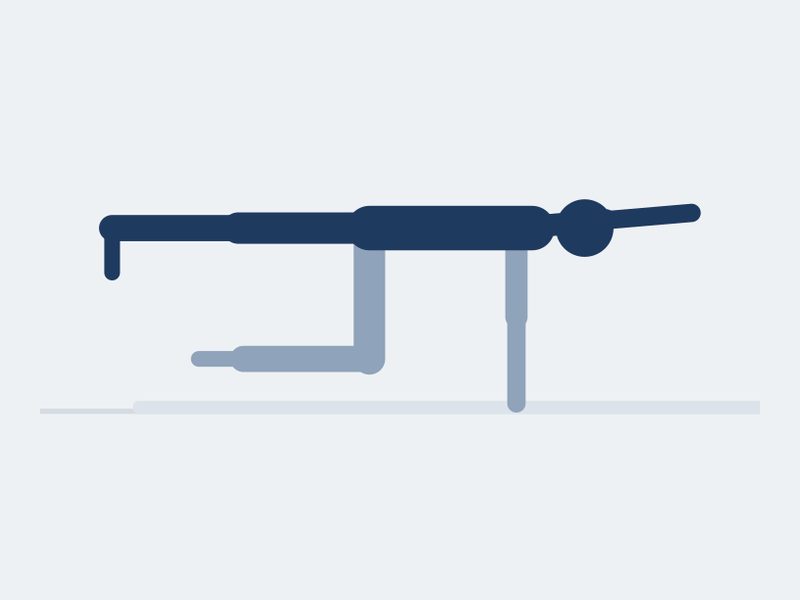
- Warm up the trunk. Walking lunges with a twist and open books before you hit; our padel warm-up has a full routine.
- Don't sit still for long between matches. NHS inform advises avoiding long periods of sitting or resting.
How long until it settles?
According to NHS inform, most back problems begin to settle within six weeks, with most of the improvement in the first couple of weeks. If you haven't improved after six weeks, speak to a healthcare professional. Meanwhile, gentle trunk and hip exercises keep you moving; our 6-week back plan starts easy.
Coming back to full padel
Once you're consistently green, bring back the demanding shots one at a time: bandejas first, then víboras, then flat smashes, and the kick smash last. A stronger trunk and hips is the long-term fix; strength training reduced sports injuries to less than a third in a 2014 meta-analysis of 25 trials.
Frequently asked questions
Should I play padel with lower back pain?
If it's a familiar, mild ache that eases as you warm up and there are no warning signs, gentle play is often fine. Leave out smashes and keep sessions short.
Is rest good for back pain from padel?
Complete rest isn't usually recommended. NHS inform describes keeping active as an essential part of recovery.
Which padel shots should I avoid with back pain?
Smashes, especially the kick smash, and low balls taken by bending at the waist. Use bandejas and bend your knees.
How long does back pain take to settle?
NHS inform says most back problems begin to settle within six weeks, with most of the improvement in the first couple of weeks.
When is back pain an emergency?
Numbness around the genitals or buttocks, new bladder or bowel problems, sexual changes or a recent significant fall need urgent help.