Can I play padel with shoulder pain?
Shoulder pain doesn't always mean stopping padel, but it usually means stopping the overheads that caused it for a while. A sore shoulder from overuse can often keep playing groundstrokes and volleys. A shoulder that hurts after a fall, won't lift or has changed shape needs checking first.
This guide explains common patterns in plain language. It can't diagnose you. If the pain is severe, came from a fall or twist, or isn't settling, get it assessed.
Stop and get help if
nidirect's NHS advice is to go to your nearest emergency department if:
- the pain is sudden or very bad
- you can't move your arm
- your arm or shoulder has changed shape or is badly swollen
- you have pins and needles that don't go away, or no feeling in your arm or shoulder
- your arm or shoulder is hot or cold to touch
See a GP if the pain hasn't improved after two weeks, it's very difficult to move your arm or shoulder, or the pain started after an injury or fall, such as a collision with the glass.
Overuse pain: keep moving, change the load
For gradual, overuse shoulder pain, nidirect's advice is to stay active and keep the shoulder moving, not stop using it completely, and avoid things that make it worse. For padel that translates into:
- Cut the hard overheads first. No flat smashes; gentle bandejas only if pain-free. Let your partner take the middle lobs.
- Keep the serve easy. Padel's underarm serve is usually fine, but skip anything that hurts.
- Shorter sessions. An hour, then a rest day, while it settles.
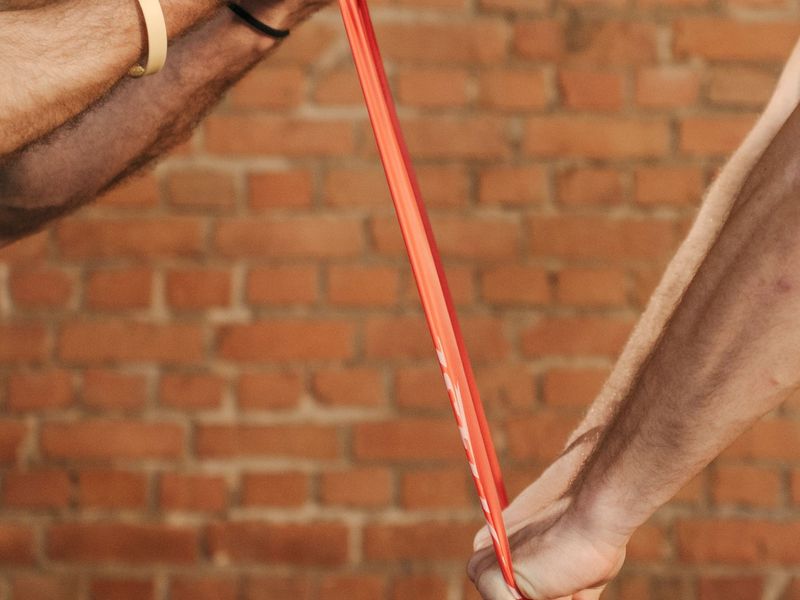
- Warm the shoulder up. Band rotations and pull-aparts before you play; see our 10-minute routine.
The next-morning rule
| During padel | Next morning | Verdict |
|---|---|---|
| Little or no pain | Normal | Fine, keep strengthening |
| Moderate, up to about 5 out of 10 | Back to its usual level | Acceptable, don't add overheads yet |
| Strong or rising | Worse, or pain lying on it at night | Too much: cut back |
This approach comes from tendon rehabilitation, where moderate pain that settles by the next morning is generally considered acceptable.
Self-care between sessions
nidirect suggests pain relief such as paracetamol or ibuprofen so you can keep moving, a cold pack for five minutes three times a day after an injury, or a hot water bottle wrapped in a towel for 20 minutes two to three times a day if the pain came on gradually. Do shoulder exercises for six to eight weeks to stop the pain returning, but don't invent your own strenuous exercises or use heavy gym equipment while it's sore. Our 6-week shoulder plan starts gently.
Bringing back overheads
Add them last, in this order: shadow swings, easy bandejas, bandejas and víboras in drills, then flat smashes, a few at a time. Our guide to shoulder pain when smashing covers the technique that keeps them pain-free.
Frequently asked questions
Can I play padel with a sore shoulder?
With mild overuse pain and no warning signs, often yes, if you cut hard overheads and keep pain moderate and settled by the next morning.
Should I stop smashing with shoulder pain?
Yes, for a while. Smashes are usually the most demanding shot for the shoulder. Bring them back last.
Should I rest my shoulder completely?
No. NHS advice is to keep the shoulder moving gently; completely stopping can slow recovery.
How long does shoulder pain from padel take to go?
Mild shoulder pain can take four to six weeks to recover fully, according to nidirect. See a GP if it hasn't improved after two weeks.
When is shoulder pain an emergency?
Sudden or very bad pain, an arm you can't move, a shoulder that has changed shape or is badly swollen, lasting pins and needles or no feeling, or a hot or cold arm.