Can I play padel with a sprained ankle?
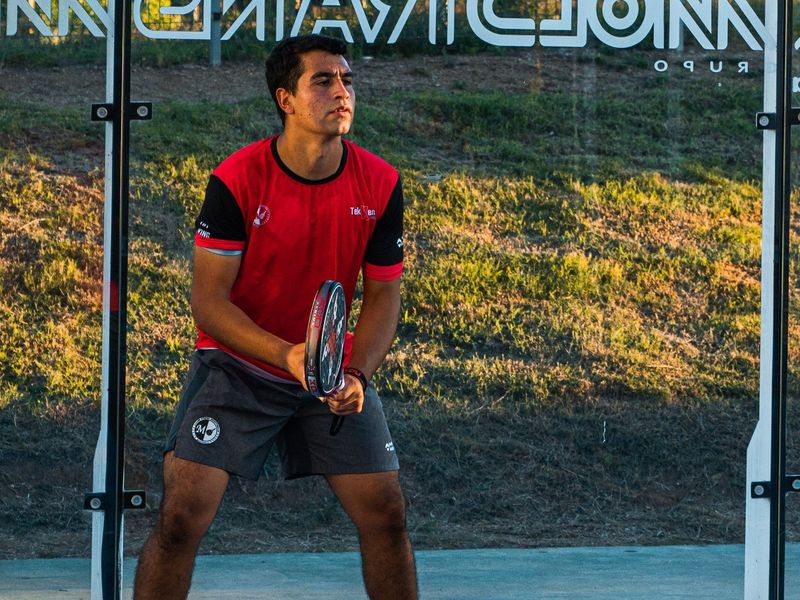
Walking normally doesn't mean you're ready for padel. Padel asks the ankle for quick side steps, split steps, stops and the odd awkward landing, and an ankle that's only half-recovered is the one that sprains again. Here's how to tell when you're ready.
This guide explains common patterns in plain language. It can't diagnose you. If the pain is severe, came from a fall or twist, or isn't settling, get it assessed.
First: does it need checking?
NHS advice is to call 999 or go to A&E if you heard a crack at the time of injury, the ankle has changed shape or points at an odd angle, it's numb or tingling, or the skin looks blue or grey or feels cold; don't drive yourself. Get help from NHS 111 (or your local urgent care) if it's very painful or getting worse, the swelling or bruising is large or increasing, or you can't put any weight on it or walk more than a few steps. See a GP or physiotherapist if it isn't getting better with self-care.
NHS advice for the first two to three days is protection, rest, ice wrapped in a towel for up to 20 minutes every two to three hours, a compression bandage and raising the ankle, and avoiding heat, alcohol and massage early on because they can increase swelling.
How long does it usually take?
NHS guidance says most sprains feel better after about two weeks, but advises avoiding strenuous exercise such as running for up to eight weeks because of the risk of further damage, and severe sprains can take months to get back to normal. Feeling better is the start of the return, not the end. The 2016 international consensus on return to sport (Ardern and colleagues) describes it as a continuum, from returning to participation, through returning to your sport, to performing at your previous level, rather than a single day you're "cleared".
The checklist before matches
| Test | Pass |
|---|---|
| Walking and stairs | No limp, no pain |
| Single-leg calf raises | Similar number on both sides |
| Single-leg balance, 30 seconds | As steady as the other side |
| Hopping on the injured leg | Pain-free, landing quietly |
| Side shuffles and quick changes of direction | Confident, no hesitation |
This is a practical guide, not a medical test. If you can't pass a step, keep working on it with our ankle exercise plan.
A staged return
- Footwork without a ball: split steps, side shuffles, short sprints.
- Drills and controlled rallies.
- One set, or a relaxed doubles match.
- Full matches, once the ankle is no worse the next day.
A brace or tape helps during this phase; the 2018 BJSM ankle sprain guideline recommends tape or a brace combined with exercise after an ankle ligament injury. See ankle brace or tape for padel.
Don't skip the balance work
The biggest reason people sprain the same ankle again is that balance and reactions weren't retrained. A 2009 BMJ trial found an 8-week home balance programme reduced repeat sprains. Keep doing it for the full eight weeks, even once you're back playing.
Frequently asked questions
Can I play padel with a sprained ankle?
Not until you can hop, balance and shuffle sideways on it without pain. Playing earlier risks spraining it again.
How long after a sprained ankle can I play padel?
NHS guidance says most sprains feel better after about two weeks but advises avoiding strenuous exercise such as running for up to eight weeks. Severe sprains can take months. Use the checklist rather than the calendar.
Should I wear a brace when I go back to padel?
It's a good idea. The BJSM ankle sprain guideline recommends tape or a brace together with an exercise programme.
How do I know my ankle is ready for padel?
Pain-free hopping on that leg, balance as good as the other side, similar calf raise numbers and confident side shuffles.
When should I see a doctor about a sprained ankle?
Go to A&E if you heard a crack, the ankle has changed shape, it's numb or tingling, or the skin is blue, grey or cold. Get urgent advice if you can't put weight on it. See a GP or physio if it isn't getting better.
Sources
- NHS: sprains and strains
- Ardern et al. (2016): consensus statement on return to sport, First World Congress in Sports Physical Therapy, Bern (BJSM)
- Vuurberg et al. (2018): diagnosis, treatment and prevention of ankle sprains, update of an evidence-based clinical guideline (BJSM)
- Hupperets, Verhagen and van Mechelen (2009): home-based proprioceptive training and ankle sprain recurrences, a randomised controlled trial (BMJ)