Ankle brace or tape for padel?
If you've sprained an ankle before, a brace is one of the simplest ways to lower the chance of doing it again. It isn't a substitute for rebuilding the ankle, and it won't make an unhealed sprain safe, but the evidence for bracing after a sprain is better than for most sports gadgets.
This guide explains common patterns in plain language. It can't diagnose you. If the pain is severe, came from a fall or twist, or isn't settling, get it assessed.
What the guideline says
The 2018 evidence-based clinical guideline on ankle sprains, published in the BJSM (Vuurberg and colleagues), makes two points that matter for padel players:
- After an acute ankle ligament injury, people benefit most from tape or a brace combined with an exercise programme.
- For preventing repeat sprains, ankle braces should be considered an effective option.
So the brace and the exercises work together. On its own, a brace can't retrain the balance and reactions a sprain takes away; see padel ankle exercises.
Brace or tape?
| Option | Pros | Cons |
|---|---|---|
| Lace-up brace | Reusable, adjustable, fits in a padel shoe | Can feel bulky at first |
| Semi-rigid (stirrup) brace | Firm side support | Stiffer; check it fits your shoe |
| Tape | Close fit, no bulk | Needs reapplying every time, ideally by someone trained; tends to loosen as you play |
| Elastic sleeve | Comfortable, warm | Little mechanical support against rolling |
The guideline's prevention recommendation is specifically about braces. For most club players, a lace-up or semi-rigid brace is the practical choice: it's consistent, cheap over time, and you can put it on yourself.
When to wear one
- Returning after a sprain, through the drills and your first matches back.
- If you've had repeat sprains, as routine kit for padel.
- Not instead of healing. If you can't hop on the ankle without pain yet, you're not ready to play, brace or no brace.
How long to keep wearing it after a sprain is worth discussing with a physiotherapist; it depends on the injury and how quickly your balance comes back.
What a brace won't do
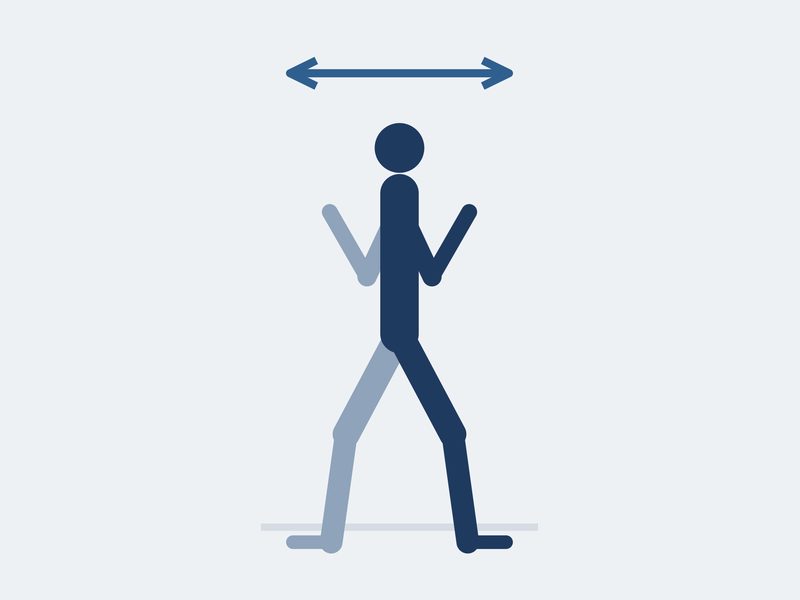
It won't fix weak calves, poor balance or late footwork. Ankle sprains in padel often come from landing on a ball, a partner's foot or the edge of a quick side step. Clear loose balls, warm up with side shuffles and split steps, and keep balance work in your routine. Our ankle sprain guide covers the full recovery.
Choosing one
Take your padel shoes when you try braces on, make sure you can still flex the ankle for split steps, and check for rubbing on the inside of the ankle after a session. If you have numbness, tingling or a cold foot when wearing it, it's too tight.
NHS advice is to call 999 or go to A&E if you heard a crack at the time of injury, the ankle has changed shape or points at an odd angle, it's numb or tingling, or the skin looks blue or grey or feels cold; don't drive yourself. Get help from NHS 111 (or your local urgent care) if it's very painful or getting worse, the swelling or bruising is large or increasing, or you can't put any weight on it or walk more than a few steps. See a GP or physiotherapist if it isn't getting better with self-care.
Frequently asked questions
Should I wear an ankle brace for padel?
If you've sprained an ankle before, a brace is a sensible way to reduce the chance of another; the BJSM ankle sprain guideline calls braces an effective option for preventing repeat sprains.
Is tape or a brace better for padel?
Both help after an injury. For preventing repeat sprains the guideline names braces, and a brace is easier to use consistently.
Do ankle braces weaken your ankle?
Use one alongside balance and strength exercises rather than instead of them; the guideline recommends combining support with exercise.
Can I play padel in a brace with a sprained ankle?
Only once the ankle is healed enough to hop and move sideways without pain. A brace doesn't make an unhealed sprain safe.
What type of ankle brace is best for padel?
A lace-up or semi-rigid brace that fits in your padel shoe and still lets you split-step comfortably.
Sources
- Vuurberg et al. (2018): diagnosis, treatment and prevention of ankle sprains, update of an evidence-based clinical guideline (BJSM)
- Hupperets, Verhagen and van Mechelen (2009): home-based proprioceptive training and ankle sprain recurrences, a randomised controlled trial (BMJ)
- NHS: sprains and strains