Knee pain when lunging or getting low in padel
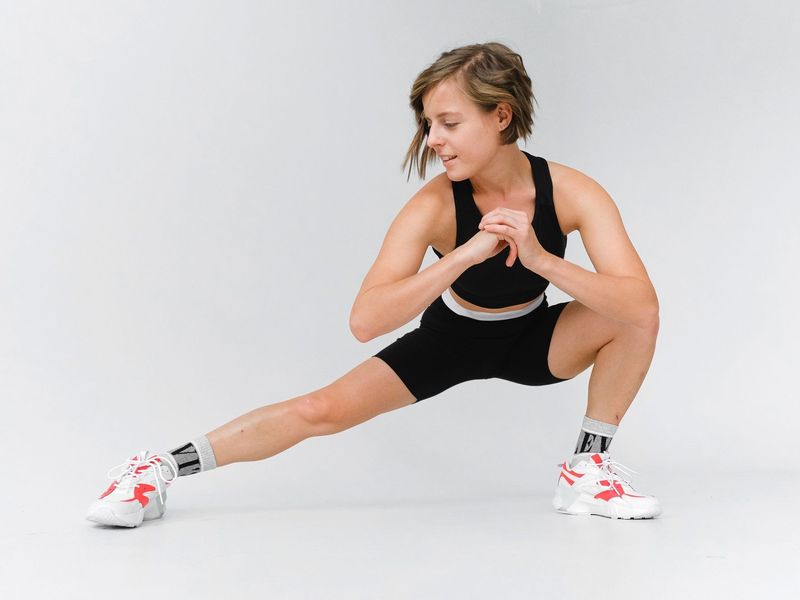
If your knee is fine walking around but complains when you lunge for a wide ball, crouch for a low volley or dig the ball out of the back corner, the problem is usually load in a bent position. The front of the knee works hardest when it's deeply bent, and padel asks for that dozens of times a match. Here's what's going on, and the movement and strength changes that help.
This guide explains common patterns in plain language. It can't diagnose you. If the pain is severe, came from a fall or twist, or isn't settling, get it assessed.
Why bent-knee positions hurt
Pain around or behind the kneecap that's worse when squatting, lunging, on stairs or getting up from a chair is the classic picture of anterior (front-of-knee) pain, often called patellofemoral pain. An NHS physiotherapy leaflet from University Hospitals of Leicester describes it as a problem with how the kneecap glides as the knee bends and straightens, made worse by tight or weak muscles around the hip and knee. Deep, loaded knee bends, the exact positions padel uses for low balls, are where it shows up most.
If the pain is a small spot just below the kneecap and worst after jumping, read about jumper's knee instead. If the knee catches, locks or gives way, that points to a different problem that needs assessing.
Movement fixes on court
- Get your feet there first. Long, last-second lunges load the knee at its deepest angle. An earlier split step and two small adjusting steps let you arrive balanced with a shallower bend.
- Bend at the hips too. For low volleys, sit the hips back and hinge slightly forward rather than dropping straight down on your knees.
- Keep the knee over the toes. Lunging with the knee collapsing inwards concentrates load. Point the front foot where you're going and let the knee follow it.
- Use a wider base. A slightly wider stance lowers you without as much knee bend.
- Let the ball come. On balls out of the back glass, wait for the ball to come up to a comfortable height instead of chasing it into the corner. Our back glass guide covers the timing.
Strength that makes getting low easier
The 2016 international consensus on patellofemoral pain (Crossley and colleagues, BJSM) recommends exercise therapy that combines hip and knee strengthening, in preference to knee exercises alone. In practice:
| Exercise | Start with |
|---|---|
| Wall sit at a comfortable depth | 3 × 20–40 s |
| Step-down from a low step | 2–3 × 8 each leg, 3 seconds down |
| Reverse lunge, partial depth | 2–3 × 8 each leg |
| Lateral band walk | 2–3 × 10 steps each way |
| Glute bridge | 2–3 × 12 |
Start with a depth that doesn't flare your pain and deepen it gradually over weeks. The consensus also recommends foot orthoses for short-term relief of patellofemoral pain; see our insoles guide. For the full progression, follow our 6-week knee plan.
Short-term relief
For a sore knee after play, the NHS suggests taking weight off it, an ice pack wrapped in a towel for up to 20 minutes every two to three hours, and simple painkillers if needed. While it settles, reduce deep squatting and lunging rather than stopping all activity. NHS physio advice for front-of-knee pain is to stay active at a level that doesn't flare it, then build back gradually.
When to get it checked
See a GP or physio if it isn't improving within a few weeks. Get urgent advice if:
- your knee is very painful
- you can't move it or put any weight on it
- it is badly swollen or has changed shape
- it locks, gives way or clicks painfully (painless clicking is normal)
- you have a very high temperature, or feel hot, cold or shivery, with redness or heat around the knee
Frequently asked questions
Why does my knee hurt when I lunge in padel?
Usually because the front of the knee is loaded hardest when deeply bent. Weak or tight hip and thigh muscles and late, long lunges make it worse.
How do I stop knee pain when getting low for volleys?
Arrive earlier with small steps, bend at the hips as well as the knees, keep the knee over your toes, and strengthen your hips and thighs.
Is knee pain on stairs after padel a bad sign?
Pain on stairs and getting up from a chair is typical of front-of-knee pain. It's common and usually responds to strength work, but get it checked if it isn't improving.
Do knee sleeves help with lunging pain?
Some players find them comfortable, but the evidence for taping and braces is unclear. Strength work and better movement address the cause.
Should I avoid deep squats in the gym?
Not forever. Use a depth that doesn't flare the pain and increase it gradually as your knee tolerates more.